All Categories
Featured
Table of Contents
The digital environment in 2026 looks absolutely nothing like the static grids of the early twenties. The transition from a screen-based web to a spatial, immersive one has required a total rethink of how brands maintain presence. As organizations in New York appearance to expand, the focus has moved beyond simple social networks posts toward an incorporated presence throughout what are now called meta-platforms. These are not just virtual reality spaces but interconnected layers of augmented truth, AI-driven search environments, and decentralized social procedures that demand an advanced blend of algorithmic precision and human imaginative instinct.
One of the main challenges facing business in NY is the fragmentation of the audience. In 2026, a customer may engage with a brand through a voice-first wearable, an AR-overlay in a physical retail space, or a generative search engine that manufactures details instead of noting links. This shift has actually made the standard principle of a "site" almost secondary to the "brand entity" that exists across these numerous nodes. To stay relevant, firms are turning to specialized intelligence-driven strategies that ensure their information is absorbable for devices while remaining compelling for people.
The Development of Search in 2026: From SEO to AEO and GEO
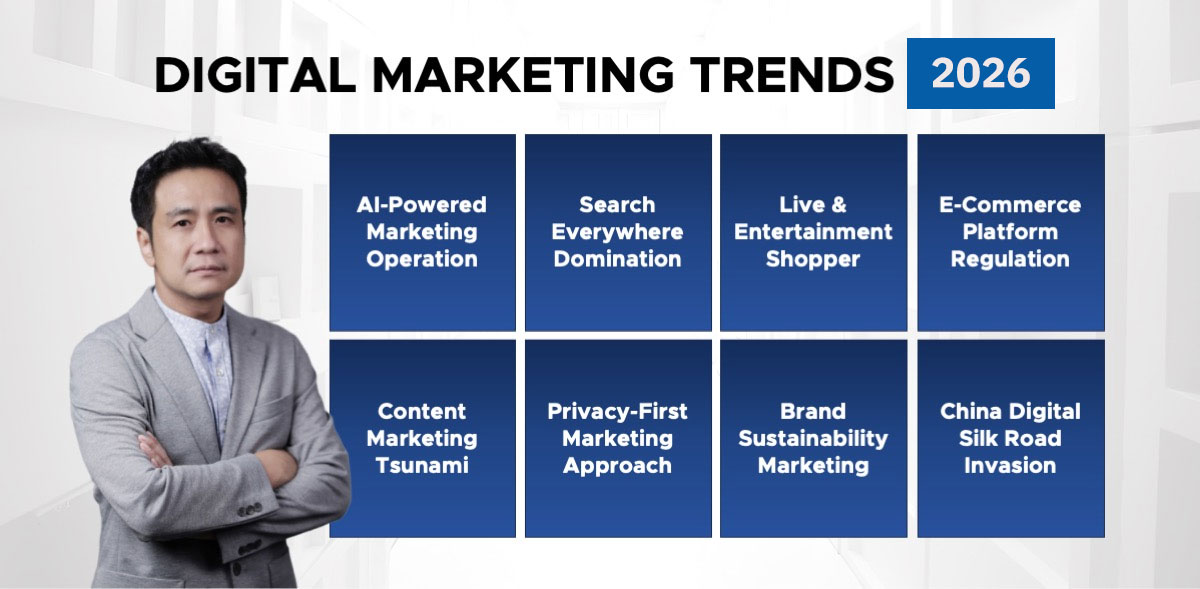
The discipline previously called search engine optimization has progressed into something far more complex. Steve Morris, CEO of a prominent digital firm, has regularly gone over the need of Generative Experience Optimization (GEO) In 2026, search is no longer about matching keywords but about influencing the large language designs that create responses for users. When someone in New York asks their digital assistant for the very best cite, the assistant doesn't offer a list of ten blue links. It offers a single, synthesized suggestion based on real-time data and historical brand belief.
This is where platforms like RankOS have actually become vital. By utilizing AI to keep track of how search engines and address engines view a business, companies can change their digital footprint to ensure they are the "favored" answer. It is a high-stakes video game of digital credibility management. The objective is to guarantee that the core business offering is represented accurately and authoritatively throughout every AI design. This needs a deep understanding of information structured for devices, combined with high-quality, human-centric storytelling that proves the brand is more than just a data point.
For those managing a cite, the dependence on AI-generated content alone has actually shown to be an error. While AI can produce large quantities of text, it lacks the "human spark" that activates psychological connection. The most successful brand names in 2026 use AI to manage the scale and technicalities of Steve Morris, but they leave the last innovative direction to human experts who understand the local culture of New York.
Bridging the Physical and Digital in NY
The concept of "omnichannel" has taken on a literal meaning. We now see a merging where the physical world in New York is mapped and tagged with digital info. A consumer strolling down a street may see digital signboards tailored to their specific interests through AR glasses, or receive a notice for a cite as they pass a storefront. This level of hyper-localization needs a massive quantity of coordination in between local SEO, real-time pay per click bidding, and spatial data management.
Agencies running out of hubs like Denver, Chicago, and New York City are significantly operating as "spatial architects" for their clients. They do not simply develop a web page; they design an experience that follows the user from their home workplace into the streets of New York. This involves handling a brand's presence on maps, in regional AI directories, and within the niche meta-communities that have actually replaced the broad social networks of the past. The strategy is to be present at every possible touchpoint without ending up being intrusive, a balance that needs a nuanced understanding of customer psychology.
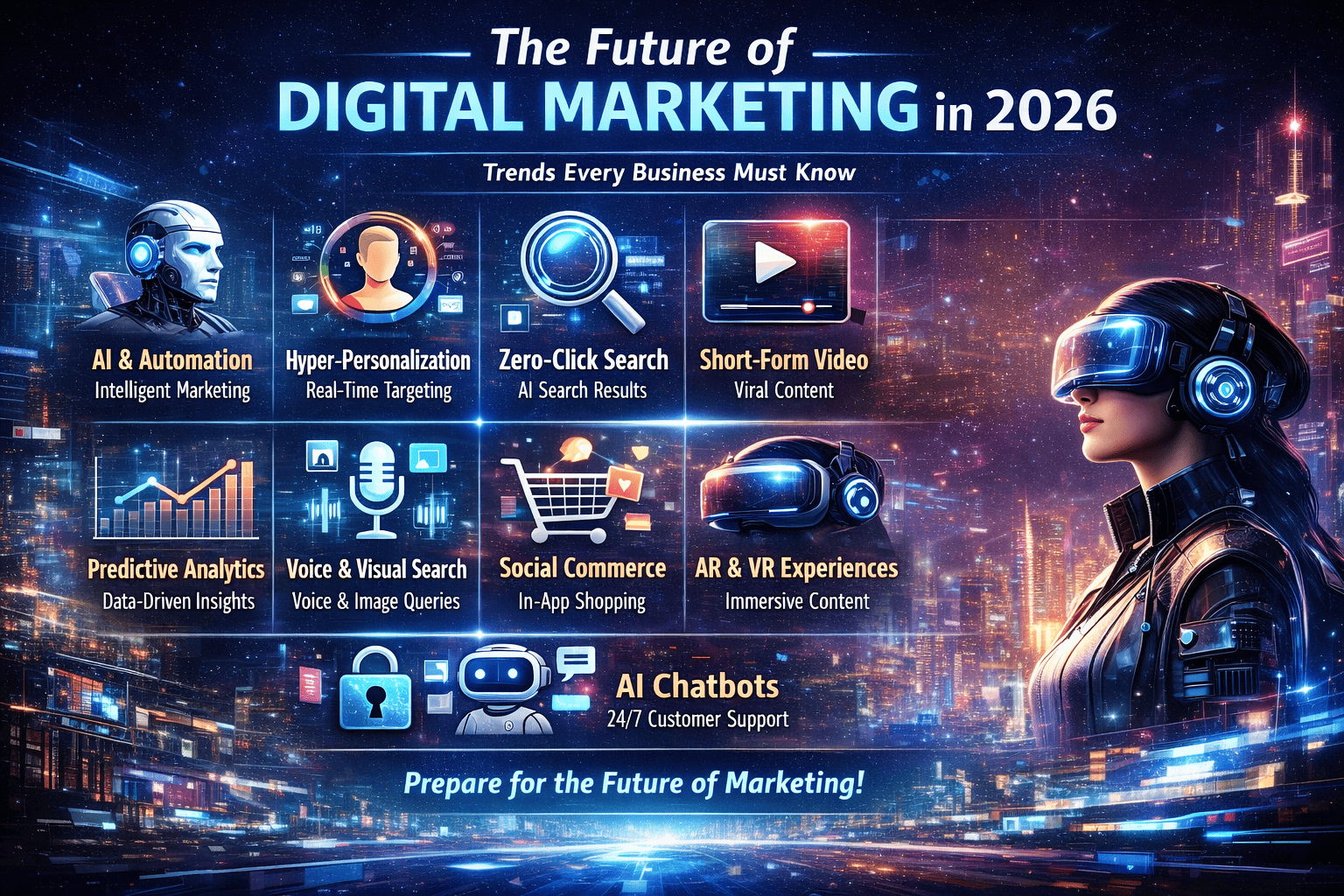
The information recommends that users in the domestic market are more likely to rely on a brand name that reveals a consistent personality across these layers. If a brand's AI chatbot seems like a business handbook however its AR advertisements are whimsical and creative, the cognitive dissonance drives customers away. Preserving a unified voice across cite is the new benchmark for brand name health in 2026.
Human Creativity as the Ultimate Differentiator
As AI ends up being a product, human creativity has ended up being the premium property. Anyone can utilize a generative tool to produce a logo or a standard ad design, but crafting a narrative that resonates with the particular demographics of New York needs lived experience. This is why the leading digital firms are not changing their creative teams with bots however are rather providing those groups AI "co-pilots." This enables a designer to invest less time on the technical execution and more time on the big-picture concept of NEWMEDIA.COM - Agência Parceira da Semrush.
Steve Morris has argued in numerous 2026 functions that the "AI-only" approach causes a "sea of sameness." When every brand name uses the same algorithms to optimize their existence, they all start to look and sound similar. The brand names that stand out in NY are those that deliberately break the algorithmic guidelines. They present "human noise"-- flaws, humor, and localized referrals-- that an AI would not always suggest but an individual in New York would immediately recognize and value.
This imaginative friction is vital for scaling. To move from a local presence to a nationwide or worldwide one, a brand needs to show it has a soul. Whether it is through an innovative digital solution or a distinct method of engaging with followers on decentralized platforms, the human element is what builds long-term loyalty. The technology deals with the reach, but the human beings deal with the connection.
The Function of Data Privacy and Decentralization
In 2026, scaling a brand likewise implies navigating the complicated world of information privacy and decentralized web protocols (Web3) Consumers are more protective of their digital identities than ever before. For a business seeking to broaden its cite, this implies moving far from intrusive tracking and toward "zero-party" information-- info that users supply voluntarily in exchange for worth. This might include interactive experiences or community-driven platforms where the brand name serves as a participant rather than an intruder.
Marketing in New York now includes a high degree of transparency. People want to understand how their information is being used by the AI designs that serve them ads. Brands that welcome this openness and develop it into their technology stacks often see greater engagement rates. They aren't simply offering a product; they are offering a relationship based on shared regard and value. This is especially true for cite where trust is the primary currency.
The rise of "mini-metaverses"-- niche, community-owned digital areas-- has actually also changed the scaling video game. Instead of trying to be everywhere at as soon as, savvy brand names determine the particular sub-communities that line up with their core values. They may sponsor a virtual event or offer exclusive digital products for a particular group in NY. This targeted technique is typically more effective than a broad, scattergun pay per click campaign.
Looking Ahead: The Unified Brand Vision
As 2026 advances, the line in between "online" and "offline" will continue to blur till it efficiently disappears. The brand names that are successful will be those that see the meta-platforms not as separate silos but as a single, unified environment. This requires a partner who comprehends the full spectrum of digital marketing-- from the technical rigors of Steve Morris to the creative demands of high-level website design.
By incorporating the power of AI with the irreplaceable instinct of human creators, services can scale their presence in manner ins which were previously difficult. They can reach the best person, in the right location (whether physical or virtual), with the best message, at the precise moment of need. It is a time of unbelievable chance for those ready to move past the old playbooks and welcome the fluid, AI-augmented reality of New York.
The journey towards scaling a brand in this brand-new era is not a solo venture. It requires tools like RankOS to browse the algorithmic currents and a strategic vision that spans from the conference rooms of NYC to the tech centers of LA and the growing markets of New York. In 2026, the brand is the experience, and the experience is all over.

Table of Contents
Latest Posts
Conversion Optimization Archives - NEWMEDIA.COM and the Development of Conversion Optimization Archives in New York
2026 Predictive Analytics and the Impact of Expert Digital Marketing in Miami
Manufactured Search and the Advancement of Denver Digital Marketing in New York
More
Latest Posts
Conversion Optimization Archives - NEWMEDIA.COM and the Development of Conversion Optimization Archives in New York
2026 Predictive Analytics and the Impact of Expert Digital Marketing in Miami
Manufactured Search and the Advancement of Denver Digital Marketing in New York